October 6, 2026
Dental Crowns Southgate CA: Solutions for Chipped and Fractured Teeth
By @spencernyox036
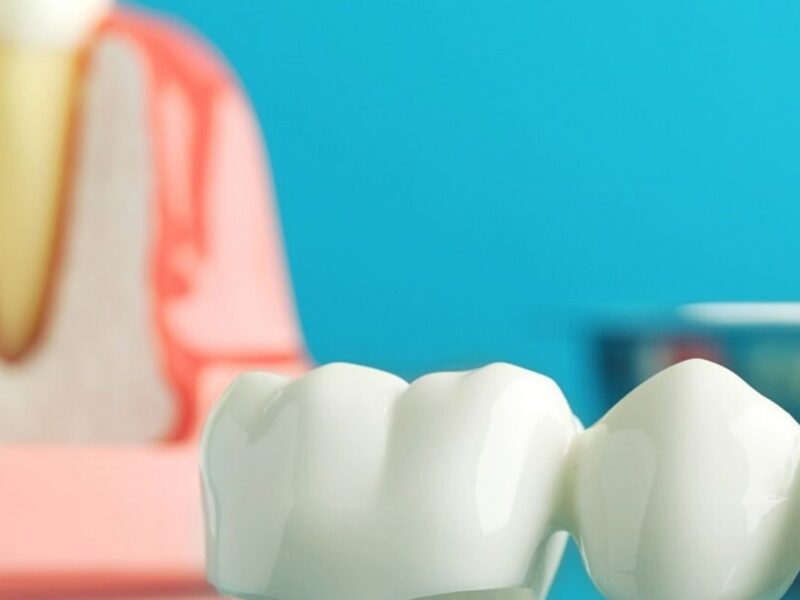
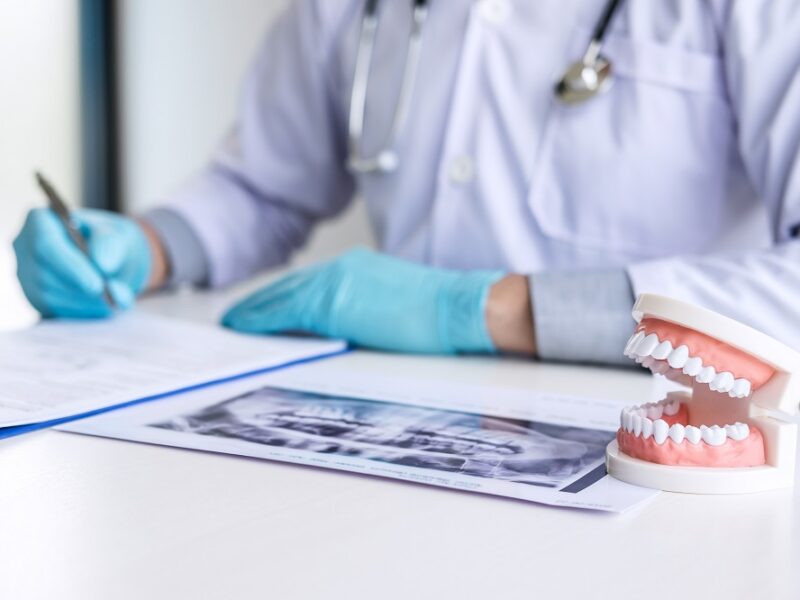
A chipped tooth can be easy to dismiss at first. The edge feels rough, cold drinks sting a little, and chewing on one side starts to feel safer than chewing on the other. A fractured tooth is harder to ignore. It may hurt when you bite down, throb without warning, or make you suddenly aware of how much work your teeth do every hour of the day. In both cases, the damage tends to get worse when people wait.
That is where crowns become important. For many patients looking into Dental Crowns Southgate CA, the goal is not cosmetic polish alone. It is protection, function, comfort, and preserving a tooth that Dental Crowns Southgate CA might otherwise keep breaking. A well-made crown covers and supports a damaged tooth so it can handle normal biting forces again. Done properly, it can restore confidence just as much as it restores structure.
Not every chip needs a crown. Not every fracture can be saved with one either. The right answer depends on where the tooth is damaged, how deep the crack goes, how much healthy tooth remains, and how much force that tooth takes every day. Molars that grind food absorb a very different kind of pressure than front teeth that mostly bite and tear. That distinction matters more than many people realize.
What crowns actually do for a damaged tooth
A crown is a custom restoration that fits over a prepared tooth like a protective shell. The word "cap" gets used a lot in everyday conversation, and that is not wrong, but it can make the treatment sound simpler than it is. A good crown is carefully shaped to match your bite, blend with neighboring teeth, and seal the tooth so bacteria do not slip into weak spots.
When a tooth has been chipped or fractured, the main concern is often not the visible missing piece. The bigger issue is lost structural integrity. Once enamel breaks, the remaining tooth becomes more vulnerable to additional fracture. Even a small break can create stress points. With each meal, each clench, and each night of grinding, those weak points may spread.
A crown redistributes force. Instead of asking a compromised tooth to withstand pressure on its own, the restoration helps brace it. That is why crowns are so commonly recommended after large fractures, old fillings that have undermined the tooth, and root canal treatment, where the tooth may become more brittle over time.
In practical terms, people often notice three immediate benefits after treatment. The tooth feels smooth again, chewing becomes more predictable, and that low-grade anxiety about "what if it breaks Dental Crowns Southgate CA more" starts to fade.
The difference between a chip and a fracture
Patients often use the words interchangeably, but dentists separate them for good reason. A chip usually means a piece of tooth has broken off, often from the edge or cusp. Sometimes it is only enamel deep. Sometimes it exposes dentin, the softer layer underneath, which can cause sensitivity. Front teeth are frequent candidates for chips, especially after sports injuries, falls, or biting something unexpectedly hard.
A fracture suggests a crack line or more significant structural damage. It may run across the biting surface, down the side of the tooth, or beneath the gumline. Some fractures are visible. Others show up only through symptoms, such as sharp pain on release when biting or unexplained temperature sensitivity. A cracked molar can fool people because the tooth may look almost normal while feeling distinctly wrong.
This distinction affects treatment. A small cosmetic chip may be repaired with bonding. A larger chip on a back tooth, especially where a cusp has broken away, may call for a crown because too much support has been lost. A fractured tooth may also need a crown, but only if the crack is restorable. If the fracture extends too far below the gum or splits the root, the tooth may not be a candidate for long-term repair.
That can be a frustrating conversation for patients, especially if the tooth did not look all that bad from the outside. But teeth do not fail based on appearance alone. They fail based on structure.
When a crown is usually the right solution
Crowns tend to make the most sense when the remaining tooth is still healthy enough to keep, but not strong enough to trust without coverage. A few common situations come up repeatedly in practice:
- A large piece of a molar has broken off and chewing feels unstable.
- A crack causes pain under pressure, yet the root and surrounding bone remain healthy.
- An old filling has become so large that there is not enough solid tooth left to support another filling.
- A tooth has had root canal treatment and needs protection from future fracture.
- A front tooth has substantial visible damage that requires both strength and a natural appearance.
These are broad examples, not automatic rules. The final decision depends on examination, x-rays, and sometimes seeing how symptoms evolve over a short period. There are cases where a conservative filling works well and cases where a crown would be under-treating a tooth that really needs extraction and replacement. Experience matters in the gray areas.
Why people in South Gate often delay treatment, and why that can backfire
It is common for patients to wait because the pain comes and goes. That pattern can be misleading. A damaged tooth does not need to hurt constantly to be in trouble. In fact, some of the worst fractures are oddly intermittent. The tooth hurts when a certain angle of pressure opens the crack, then feels fine an hour later.
Cost is another reason people hesitate, which is understandable. A crown is a larger investment than a small filling. But waiting can shift the treatment from manageable to much more complex. A tooth that might have been restored with a crown can later need root canal treatment, crown lengthening, or extraction if the crack spreads or decay enters the damaged area.
There is also the practical issue of timing. A chipped front tooth before a family event or a fractured molar before travel creates a different kind of urgency. Most people do not think about dental treatment until the tooth interferes with eating, sleeping, speaking, or smiling. By then, choices may be narrower.
For anyone searching Dental Crowns Southgate CA, the best time to get examined is usually when the damage is still fresh or when symptoms first start changing. Early evaluation often opens up more conservative options.
Materials matter, but fit matters more
Patients usually ask what kind of crown is best, and that is a fair question. The honest answer is that material matters, but the quality of the preparation, margin design, impression or scan, and bite adjustment often matter just as much.
All-ceramic crowns are popular because they can look very natural, especially in visible areas. They are often a strong choice for front teeth and many back teeth as well, depending on bite forces and the amount of space available. Porcelain fused to metal crowns have been used for years and can still perform well, though some patients dislike the possibility of a dark line near the gum over time. Zirconia has become a common option for posterior teeth because it offers excellent strength and good esthetics.
No crown material can overcome poor design. If the bite is off, the tooth may feel high, sore, or vulnerable. If the margins do not fit closely, bacteria can get in around the edges. If too little healthy tooth remains above the gumline, retention becomes harder and long-term success can suffer.
That is why treatment planning should focus on the entire tooth, not just the brand or material of the crown.
What the process usually looks like
For chipped and fractured teeth, crown treatment is typically straightforward, though the exact steps vary depending on whether the tooth also needs a buildup or root canal treatment.
At the first main visit, the dentist examines the tooth, reviews x-rays, and checks how the crack or break affects the bite. If the tooth is restorable, it is shaped to create room for the crown while preserving as much healthy structure as possible. If a large portion is missing, a core buildup may be placed first to recreate a stable foundation.
An impression or digital scan is then taken so the lab can fabricate the crown. A temporary crown usually protects the tooth in the meantime. Temporary crowns do an important job, but they are not meant for hard chewing, sticky foods, or long delays. Patients sometimes underestimate that. If a temporary comes off, the underlying tooth can shift or become sensitive, making the final fit more difficult.
At the delivery visit, the permanent crown is tried in, checked for fit, adjusted for bite, and cemented once everything looks and feels right. The best outcome is often boring in the best sense of the word. The tooth feels normal, the bite closes evenly, and nothing draws attention to itself.
Temporary sensitivity and recovery expectations
Most crown procedures are well tolerated. Some teeth are mildly sore for a few days after preparation, especially if they were already inflamed from a crack or deep decay. Gum tenderness around the area is also common for a short time. Patients with grinding habits sometimes notice the tooth feels "different" until the bite fully settles and the muscles adapt.
What should not be ignored is pain that intensifies instead of easing, especially spontaneous throbbing, sensitivity that lingers for a long time after cold, or a sharp bite pain that persists after the crown is placed. Those symptoms do not always mean failure, but they warrant reassessment. Sometimes the bite needs a simple adjustment. Sometimes the nerve inside the tooth was already more compromised than it appeared and later needs root canal treatment.
That possibility surprises some people. A crown can protect a damaged tooth, but it cannot always reverse internal pulp injury if the crack or trauma has already irritated the nerve too severely. Good dentists discuss that risk honestly, particularly with deep fractures.
Crowns for front teeth versus back teeth
Front teeth and back teeth demand different kinds of thinking. A crown on a front tooth has to look natural in color, shape, and light reflection. Small differences are noticeable there. The margin placement, shade selection, and translucency matter quite a bit, especially for patients with a high smile line.
Back teeth are judged first by function. They absorb far more chewing force and, in patients who clench or grind, they may be exposed to extreme repetitive stress. A fractured molar often needs durable coverage more urgently than a chipped front tooth, even though the front tooth is what people see.
That does not mean esthetics do not matter on molars. It means the design priorities shift. Strength, contour, and occlusion become central. If a patient has a history of fracturing fillings, flattening enamel, or waking with jaw soreness, those clues influence crown selection and aftercare.
The role of night guards after crown treatment
One of the most underappreciated parts of protecting crowns is managing grinding. Many chipped and fractured teeth do not break from a single dramatic event. They fail from years of repeated stress. Patients often say, "I do not grind," but spouses tell a different story, or the teeth themselves do. Flattened edges, scalloped tongue borders, sore jaw muscles, and cracked restorations are common signs.
A night guard does not make someone stop clenching, but it can reduce the damage. For patients who invest in crowns because of fracture-related problems, a custom guard is often money well spent. It protects both the new crown and the surrounding teeth. This is especially important when multiple teeth show wear or when a crown is placed on a molar that already survived one major crack.
How long crowns last in real life
Patients naturally want a number. The fairest answer is that crowns can last many years, often well over a decade, but lifespan depends on several variables: oral hygiene, bite forces, diet, the amount of remaining tooth structure, gum health, and whether the person keeps regular dental visits.
There is a big difference between a crown placed on a relatively intact tooth and a crown placed on a heavily damaged tooth with very little remaining structure. The second case can still succeed, but it carries more long-term risk. Cement can wash out, decay can form at the margins, porcelain can chip, or the root can develop problems later.
Maintenance matters more than people expect. Brushing and flossing around a crown are just as important as with a natural tooth. Crowns do not decay, but teeth do. Decay often starts at the margin where restoration meets enamel or root surface. Patients who treat the crowned tooth as "fixed forever" sometimes end up back in the chair sooner than they expected.
Questions worth asking before moving forward
If you are considering Dental Crowns Southgate CA for a chipped or fractured tooth, the most useful conversations are usually the practical ones. Ask whether the tooth is restorable long term, not just whether it can be crowned today. Ask if the nerve looks healthy or if root canal treatment might become necessary later. Ask what type of material is recommended for your bite and why. Ask what happens if you wait six months.
Those answers tell you far more than a generic sales pitch ever will. Dentistry is full of technical skill, but good treatment planning also depends on judgment. A conservative dentist should be able to explain why a crown is needed, why a filling is not enough, and what limitations still exist even after treatment.
Signs you should get a damaged tooth evaluated soon
Some symptoms deserve prompt attention because they often signal structural weakness or pulpal irritation:
- Pain when biting or releasing pressure
- A rough or sharp broken edge that cuts the tongue
- Sensitivity to cold that lingers
- Swelling near the tooth or gumline
- A visible crack or a missing chunk of tooth
Even without severe pain, those signs can point to problems that worsen quickly. A small crack today can become a split cusp tomorrow.
The local factor: why proximity and follow-up matter
Choosing a nearby dental office is not just a matter of convenience. For crown work, location can make follow-up easier if a temporary loosens, the bite needs refinement, or sensitivity needs monitoring. Patients in South Gate often balance work schedules, school pickups, traffic, and family responsibilities. A treatment plan that looks good on paper but is hard to complete in real life is less likely to succeed.
Accessibility also matters because fractured teeth can change fast. A patient may start with mild soreness and return two weeks later with a tooth that has broken further. Being able to get back into the office without major disruption is helpful. That practical side of care is easy to overlook until you need it.
Crowns are not the only option, but they are often the most stable one
For small chips, bonding can be fast and conservative. For teeth missing only a modest amount of structure, onlays or partial coverage restorations may preserve more natural tooth. In some severe cases, extraction followed by an implant or bridge is the better long-term path.
Still, crowns occupy an important middle ground. They let dentists save many teeth that are too damaged for simple fillings but still healthy enough to avoid extraction. That is why they remain one of the most dependable tools for treating chipped and fractured teeth.
A well-planned crown does not just patch a problem. It restores function, protects what remains, and buys the tooth a real chance at longevity. For people dealing with a damaged tooth, that is often the difference between constant caution and getting back to normal meals, normal speech, and a normal smile.
When a tooth cracks, chips, or breaks, the details matter. So does timing. The sooner the damage is assessed, the more likely it is that treatment can stay focused on preservation rather than rescue. For many patients seeking Dental Crowns Southgate CA, that is the real value of care, keeping a damaged tooth serviceable, comfortable, and strong enough for everyday life.
Simple Dental South Gate
Address: 8617 California Ave, South Gate, CA 90280
Phone number: +13236896118
FAQ About Dental Crowns Southgate CA
How much do crowns cost per tooth?
In the United States, a single dental crown typically costs between $800 and $2,500 per tooth without insurance. The ultimate out-of-pocket price depends heavily on the crown material, the location of the tooth, and whether you have dental insurance coverage.
What is the downside of crowns on teeth?
The primary downside of a dental crown is that the procedure permanently removes natural tooth enamel to shape the tooth for the cap.
Why do dentists push for crowns?
Dentists recommend crowns because a large filling cannot provide enough strength when a tooth loses a major portion of its structure or faces heavy chewing pressure.
❧